
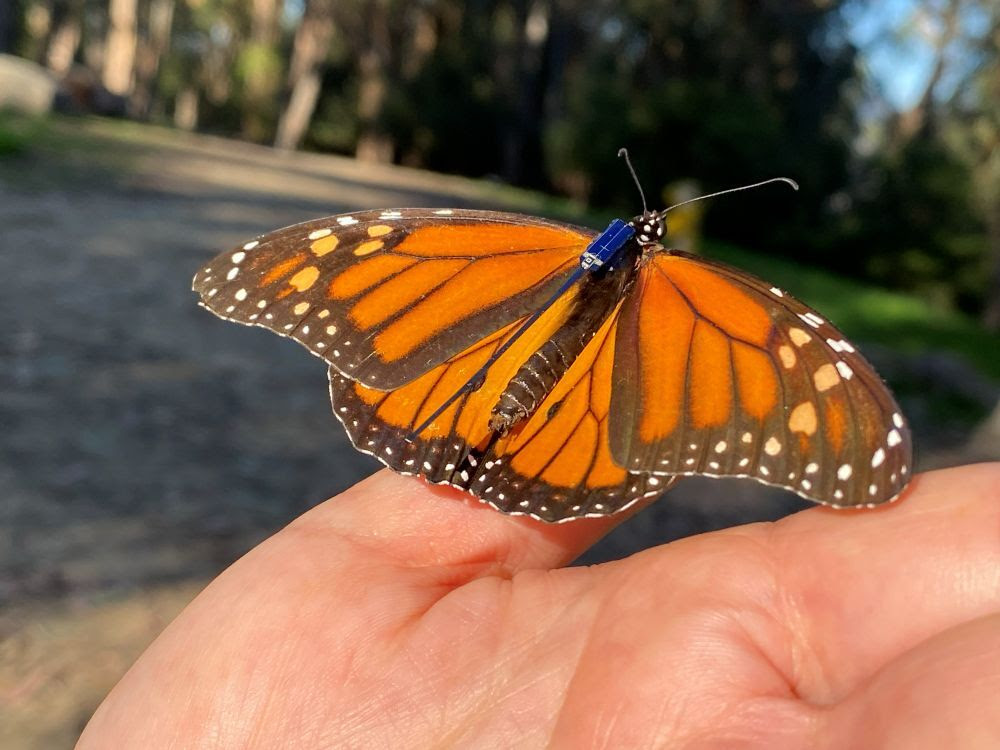
The California Department of Fish and Wildlife announced a new report focused on saving the Western monarch butterfly.
The report, created by 13 state and federal agencies, outlines priority conservation actions and research needs. It responds to the sharp decline in Western monarch populations over recent years.
Plumas County lies along the monarchs’ migration route and breeding grounds. This makes local conservation efforts especially important.
Meghan Hertel, CDFW director, emphasized restoring habitat and increasing native plants. She called for coordinated efforts among agencies and the public to help monarch populations recover.
California State Parks Director Armando Quintero highlighted the need to turn landscapes into habitats that support monarchs and other pollinators. He urged shared resources and expertise to boost conservation on the West Coast.
The report lists key actions for the next three years. These include creating common habitat definitions, tracking habitat project success, centralizing pollinator resources, improving native plant availability, and developing models to identify vulnerable stages in the monarch life cycle.
Researchers noted gaps in knowledge about pesticide effects, rangeland conservation, and wildfire impacts on monarch habitat. The collaborative also plans to improve coordination with Native American tribes for pollinator conservation.
Agriculture plays a role in monarch recovery. California Department of Food and Agriculture Secretary Karen Ross pointed out that pollinators support crops like strawberries, grapes, and almonds. She stressed that agriculture can contribute to solutions.
Paul Souza, U.S. Fish and Wildlife Service director, said the report encourages voluntary, science-based conservation involving wildlife refuges, parks, farms, and ranches. He promised ongoing commitment to innovative conservation efforts.
Caltrans Director Dina El-Tawansy reinforced Caltrans’ involvement through conservation agreements and actions aimed at protecting monarch habitats. She said these efforts help ensure pollinator survival.
You can find the full report and more details on the California Multiagency Monarch and Pollinator Collaborative website.