
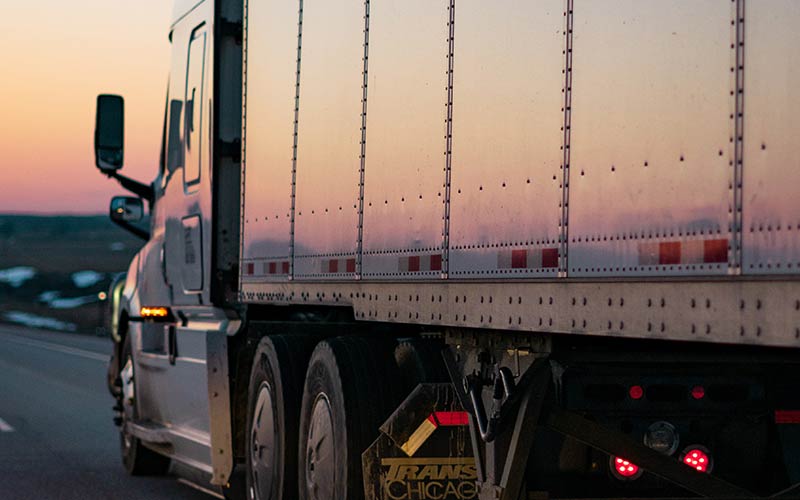
A North State lawmaker wants to scale back how often heavy-duty trucks must undergo emissions testing in California, arguing the current schedule places an unnecessary burden on rural businesses.
Megan Dahle has introduced Senate Bill 1064, which would reduce the frequency of clean-air inspections required for heavy-duty vehicles under the state’s testing program.
The proposal targets rules created by the California Air Resources Board under its Clean Truck Check program. Those regulations currently require some vehicles, including farm trucks and certain recreational vehicles, to be tested once a year, while other commercial trucks must be inspected twice annually. Beginning in 2027, the rules would require some vehicles to be tested up to four times a year.
Dahle’s bill would keep the testing requirement but scale it back to every other year, similar to the smog-check schedule for passenger vehicles.
“In 2019, before I was elected to the Assembly, the Legislature passed a law requiring regular checks for heavy-duty vehicles — mainly large diesel trucks,” Dahle said in a statement. “Californians support cleaner air, but requiring smog checks four times a year is beyond all reason.”
The Republican senator, whose district covers much of rural Northern California, said the cost and time required to meet the testing schedule can hit farmers, independent truckers and small businesses particularly hard.
According to Dahle, many rural vehicle owners must travel to larger population centers to complete the required inspections, which can mean paying drivers and using additional fuel just to reach testing locations.
“As is often the case, this mandate’s weight will fall heaviest on small businesses and independent operators, especially in rural communities,” Dahle said.
Supporters of emissions testing say the inspections help ensure diesel trucks meet clean-air standards and reduce pollution.
SB 1064 has been referred to the Senate Environmental Quality Committee and the Senate Transportation Committee, where it is expected to be heard later this spring in California’s Legislature.