

California started using proactive methods to fight the Mediterranean fruit fly 30 years ago. The state added preventive steps to its response efforts, aiming to stop infestations before they spread.
Since the California Department of Food and Agriculture launched the Preventive Release Program, Medfly infestations dropped by more than 90 percent. This change helped protect the state’s $18.5 billion agricultural industry and backyard gardens.
The program releases sterile male flies to interrupt the breeding cycle. This strategy reduces the number of new flies without relying solely on insecticides.
Farmers and gardeners benefit from fewer fruit flies damaging crops and plants. The program lowers the risk of costly outbreaks and limits pesticide use.
To learn more about the science behind the Preventive Release Program and its impact over three decades, visit CDFA’s Planting Seeds blog. The blog explains how this approach keeps California’s agriculture and gardens safe.
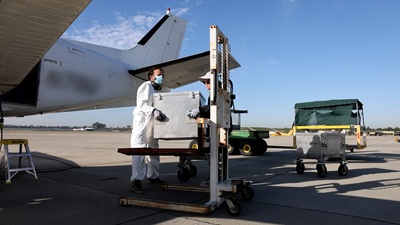
Millions of sterile Mediterranean fruit flies (Medflies) are loaded onto aircraft at the Preventive Release Program in Los Alamitos for ongoing releases throughout portions of Los Angeles, Orange, Riverside and San Bernardino counties. The releases are a key component of California’s 30-year effort to prevent Medfly infestations.