
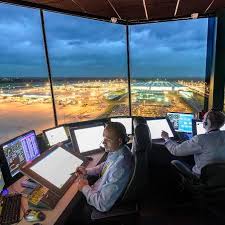
Air travelers should brace for worsening flight cancellations and delays this week despite a potential end to the government shutdown, as the Federal Aviation Administration (FAA) enforces deeper flight restrictions at 40 major U.S. airports. On Monday, airlines canceled over 2,300 flights, with more than 1,000 cancellations expected Tuesday. The ongoing shutdown has left many air traffic controllers unpaid for over a month, leading some to call out sick or seek second jobs due to stress and fatigue.
President Donald Trump urged controllers on social media to “get back to work, NOW!!!” and proposed a $10,000 bonus for those continuing to work, while suggesting pay cuts for absentees. These remarks drew criticism from lawmakers like Rep. Rick Larsen and Sen. Tammy Duckworth, who emphasized the need to support rather than attack controllers. The controllers’ union head accused political leaders of using air traffic controllers as “political pawns.”
Although the Senate passed a bill to reopen the government on Monday, the legislation still requires House approval, and final passage could take days. Transportation Secretary Sean Duffy warned that flight restrictions will stay in effect until staffing levels at air traffic control facilities stabilize.
The ongoing disruptions mean many aircraft are not positioned correctly, which could slow the return to normal operations even after restrictions lift. Airlines must locate planes, assign crews, and reschedule flights, complicating recovery efforts. Since Friday, airlines have canceled about 8,000 flights due to FAA-mandated reductions, which will increase from 4% to 10% by the end of the week. Sunday saw one in ten flights canceled nationwide—ranking as the fourth worst day for cancellations in nearly two years.
Staff shortages also caused five-hour delays Monday evening at Chicago O’Hare International Airport, compounded by wintry weather. The FAA warned of potential delays at other major airports, including Philadelphia, Nashville, and Atlanta. Additionally, the FAA expanded restrictions Monday to business jets and many private flights at a dozen airports already subject to commercial flight limits.
The shutdown has intensified stress and fatigue among controllers, increasing risks and prompting a growing number to retire or quit. Staffing issues have affected an average of 30 air traffic control facilities each weekend since the shutdown began—nearly four times the number before the shutdown.
Tuesday marks the second missed payday for controllers, and it remains uncertain how quickly back pay will be issued once the shutdown ends. Controllers recall a similar delay after the 35-day shutdown in 2019.