
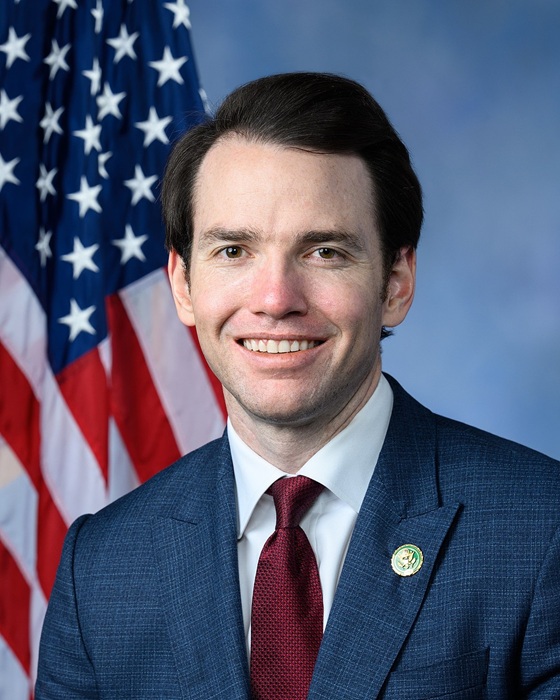
In the letter sent to Comptroller General Orice Williams Brown, Rep. Kiley highlighted a series of high-profile fraud cases demonstrating systemic failures in California’s oversight of public money.
During the COVID-19 pandemic, unemployment insurance fraud in California was estimated at $32.6 billion, leaving jobless Californians without benefits while taxpayers funded criminal abuse.
The state’s homelessness programs have faced similar failures. Between 2019 and 2024, California spent $24 billion on homelessness initiatives, yet the homeless population grew by about 30,000, with state audits finding no meaningful metrics to show results.
Recent prosecutions – including nonprofit fraud in San Francisco, a $50 million homelessness funding scheme in Los Angeles, and the conviction of an Orange County judge for workers’ compensation fraud – underscore the scope of the problem.
Congressman Kiley’s request asks the GAO to examine:
- The total amount of publicly reported waste, fraud, and abuse in California since 2016
- A breakdown of fraud by economic sector, including housing, healthcare, transportation, and law enforcement
- The types of perpetrators involved, including grantees and subgrantees
- How stolen public funds are ultimately used
- Lessons from California that can inform federal efforts to prevent fraud nationwide
Congressman Kevin Kiley Letter
February 3, 2026
Dear Comptroller General Brown,
One of Congress’ most crucial duties is to steward public funds by ensuring they are spent in accordance with the law and not siphoned off by criminals. Unfortunately, several high profile incidents of fraud in recent years have shown the inability of some states to adequately
protect public money. In particular, California has had difficulty stopping fraudsters who steal benefits destined for the most vulnerable among us. To gain a greater understanding of the impact this theft has on Californians and the nation, I ask that GAO conduct a study on the
amount of waste, fraud, and abuse California has fallen victim to. While fraud amounting to hundreds of millions of dollars in Minneapolis has recently garnered public attention, it still pales in comparison to the fraud perpetrated in California. During the COVID-19 pandemic, Lexus Nexus estimated state unemployment fraud reached $32.6 billion.1 Unemployed Californians had their benefits stolen and taxpayers were taxed to
fund criminals. The state’s effort to aid the homeless is also riddled with waste and fraud. The state auditor examined spending on programs to reduce homelessness between 2019 and 2024. Despite $24 billion in spending, the number of homeless increased by 30,000 during that period
and no grant recipients provided metrics that demonstrated any sort of progress. 2 This prevents the state government and the public from knowing how money is being spent and if specific programs are effective and worthy of continued funding. San Francisco non-profit workers have been charged with theft of public funds intended for homeless seniors and real estate executives in Los Angeles have been charged with stealing $50 million from a variety of homeless programs.3 4 Theft of public money is not just confined to non-profits in California; even an
Orange County judge was convicted of mail fraud for stealing from a worker’s compensation
program.5
1 NPR
2 CA Auditor
3 Fox
4 San Francisco Standard
5 KTLA
Due to the widespread nature of theft involving public money in California, we urgently need more information to develop an effective anti-fraud strategy. To accomplish this, I ask GAO to provide:
1) how much money in total was publicly reported as lost to waste, fraud, and abuse in
California since 2016.
2) a breakdown of fraud by economic sector (transportation, health care, housing, law
enforcement, etc.).
3) who the perpetrators of fraud are (grantees or subgrantees).
4) what stolen funds are spent on.
5) Using California as a case study, what steps can the federal government take to reduce the
most common frauds perpetrated against taxpayers?