
In summary
Gov. Gavin Newsom proposed major cuts to Medi-Cal and other social programs to close a $12 billion deficit. Democrats in the state Legislature are pushing back, proposing more borrowing.
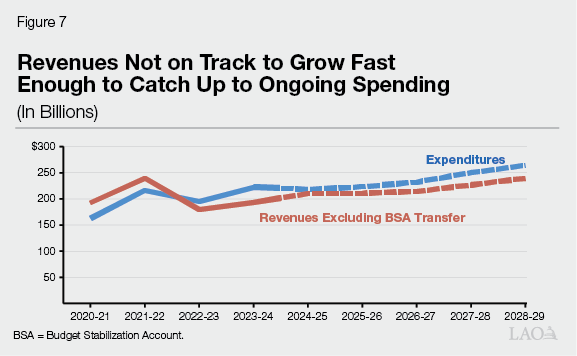
California legislative leaders have unveiled a budget proposal aimed at addressing the state’s anticipated $12 billion deficit. This plan heavily relies on borrowing from other state funds to maintain social services, diverging from Governor Gavin Newsom’s proposed cuts to healthcare, public universities, and homelessness initiatives.
While Newsom suggested significant cuts to programs like Medi-Cal, which provides healthcare for low-income residents, legislators have opted for a more moderate approach. They have rejected many of the governor’s proposals, particularly those that would negatively impact vulnerable populations.
Legislative leaders, facing a June 15 deadline to pass the budget, have proposed a mix of $7.8 billion in borrowing, $3.5 billion in cuts, and $1 billion from money movements and payment deferrals. They also seek to reform California’s Rainy Day Fund to boost reserves in prosperous years, a move requiring voter approval.
On Medi-Cal, lawmakers have resisted cuts that would freeze enrollment for undocumented immigrants and charge premiums, instead proposing a higher asset threshold for seniors and delaying some cuts. However, they have found agreement on eliminating coverage for certain weight-loss drugs and leveraging funds from Proposition 35 for Medi-Cal expenses.
In response to criticism from Republicans about insufficient spending cuts, the budget plan includes a one-time fund for public safety and funding for behavioral health services, but it has drawn backlash for proposing no new funds to tackle homelessness for the current year. Local leaders have expressed concern that the reduced funding threatens previous efforts to combat homelessness.
The proposal also maintains funding for the University of California and California State University, reversing earlier cuts and providing additional support for middle-class scholarships.
Despite the challenges, lawmakers are navigating a complex fiscal landscape, balancing the need for budgetary restraint against the imperative to protect social services for Californians in need.