
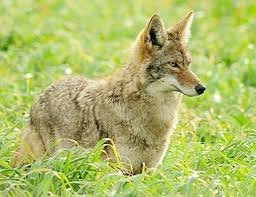
California farmers and ranchers recently celebrated a decision by the California Fish and Game Commission to delay changes to coyote management in the state. The commission held a meeting that featured extensive discussions and a significant turnout of individuals both in person and online to voice their opinions. The proposed changes included restricting the take of coyotes and establishing a regulated hunting season with bag limits, which raised concerns among agricultural stakeholders.
The proposal emerged amid increasing worries about livestock predation, especially due to the state’s growing gray wolf population, which is protected under state and federal law, limiting ranchers’ ability to address problem animals. In contrast, coyotes are classified as nongame animals, allowing for their year-round killing without restrictions.
The proposal was fueled by public comments regarding the unlimited take of coyotes. However, it faced substantial opposition, particularly from the California Farm Bureau and various agricultural groups, who argued that any restrictions would worsen livestock losses and economic challenges for ranchers, particularly in rural areas.
Supporters of the current coyote management practices, including ranchers like Modoc County Supervisor Ned Coe, emphasized the necessity of managing coyote populations to protect livestock and crops. They argued that the proposal was driven more by emotional appeals than scientific evidence, as many ranchers have reported increasing coyote-related livestock predation.
Statistics from the U.S. Department of Agriculture indicate that coyotes were responsible for a significant percentage of cattle deaths due to depredation in California and nationally. Ranchers also highlighted that the presence of coyotes can cause stress to livestock, affecting their health and productivity.
Conversely, proponents of stricter regulations, such as wildlife conservation groups, argued that the current management approach is outdated and ineffective. They referenced studies suggesting that unrestricted killing could inadvertently lead to increased coyote populations by disrupting their social structures.
The commission has stated that it may consider more focused proposals in the future but will not pursue any immediate changes to coyote management regulations.