
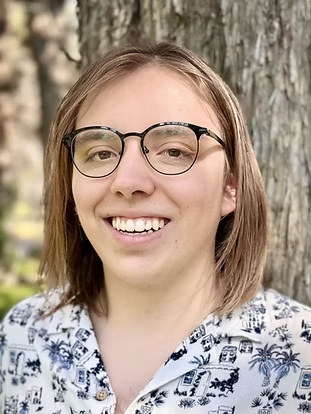
Ian Camacho: Summer Internship Experience with the University of California Cooperative Extension
As a multicultural science major at the University of Oregon with aspirations to become a botanist, I had the invaluable opportunity this summer to intern with the University of California Cooperative Extension. This experience allowed me to explore a variety of roles both in the office and out in the field.
Fieldwork involved a diverse range of tasks, from physically demanding activities to gathering critical environmental data. One highlight was collaborating with the Bureau of Land Management (BLM) on constructing beaver dam analogs (BDAs) at Fitzhugh Creek. Working alongside Forest Service members, we built artificial beaver dams that quickly demonstrated positive environmental impacts—rising water levels and healthier, greener surrounding vegetation.
My primary field project focused on virtual fencing on the Doublehead Ranger District between Tulelake and Canby. Here, I conducted detailed surveys of cattle, including body condition scoring (BCS) on a scale of 1 to 10. Most cattle scored around 5, indicating good health and nutrition. I also analyzed grass samples to assess grazing intensity and grass types, distinguishing between perennial and annual grasses. Utilization rates averaged 16%, well below the 50% maximum annual threshold, indicating sustainable grazing practices.
These surveys provided essential insights into the grazing area’s health, helping determine if the land was being overgrazed, if cattle were receiving adequate nutrition, and when to relocate the herd for optimal pasture use. I compiled all data into spreadsheets for managers overseeing the virtual fencing project and other collaborators.
Virtual fencing proved to be a highly efficient tool in managing cattle movement and welfare. By monitoring fence boundaries, locating cattle became straightforward, reducing risks such as cattle getting trapped or straying far from water sources. This technology not only streamlined my fieldwork but also enhanced sustainable livestock management.
In the office, I gained valuable skills in data organization and input, as well as administrative tasks that supported the overall functioning of the Cooperative Extension.
This internship has been a transformative experience, deepening my understanding of environmental science, livestock management, and ecosystem restoration techniques—an important step toward my goal of becoming a botanist.