
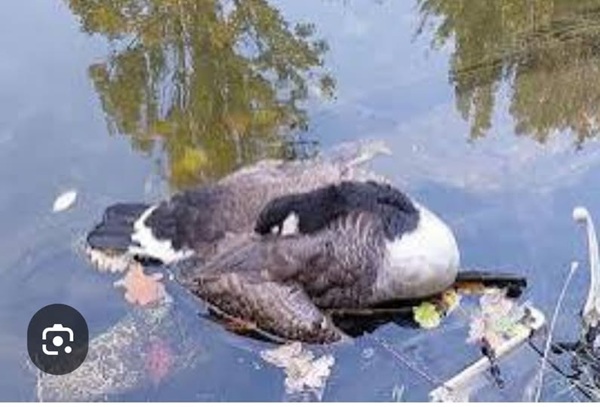
Over the past five weeks, approximately 1,200 sick and dead waterfowl have been removed from Leavitt Lake due to a botulism outbreak. The Department of Fish and Wildlife (DF&W) biologist Brian Ehler explained that the toxin responsible arises from the bacteria Clostridium botulinum. This bacterium produces spores and toxins that infect maggots feeding on dead birds. When healthy birds consume these maggots, they become poisoned, leading to weakness, paralysis, and often death.
Efforts to control the outbreak have included removing carcasses using an airboat, which helped reduce the number of infected birds weekly—from 600 in the first week down to 50 in the most recent week. Removed birds are buried to prevent further toxin spread.
The outbreak primarily affects ducks such as mallards and green-winged teal, but sandhill cranes, coots, shovelers, pintails, gulls, and other birds have also been impacted. Botulism outbreaks in Leavitt Lake have been documented since the 1980s, as the toxin-producing bacteria persist in the lake environment.
While the bacteria do not pose a direct hazard to people or dogs, consumption of infected birds is not recommended. Freshwater inflows have been suggested as a way to reduce the outbreak, but no landowners have responded to requests for water diversion. Cooler weather may help diminish the bacteria’s activity, though the toxin can persist even as bacteria die off.
Background on botulism:
- Caused by toxin from Clostridium botulinum bacteria
- Spores are heat-resistant and widely present in soil and water
- Common in waterfowl, loons, geese, and gulls; dogs, cats, and pigs show relative resistance
- Symptoms include progressive weakness, paralysis, and death from respiratory or cardiac failure
- Transmission often occurs via a carcass-maggot cycle, with fly larvae accumulating toxins and passing them up the food chain
Large-scale bird losses due to botulism are common in the western USA, with tens of thousands of birds lost annually and major outbreaks causing losses of over a million birds. Monitoring and removing carcasses promptly remains critical in managing these outbreaks.