
The garage at 367 Addison Avenue in Palo Alto bears a bronze plaque designating it as the birthplace of Silicon Valley. It was there, in 1939, that Bill Hewlett and Dave Packard founded their company with just $538 in starting capital and a single oscillator.
Now, the corporate legacy born in that single-car garage has officially packed up and left California for good.
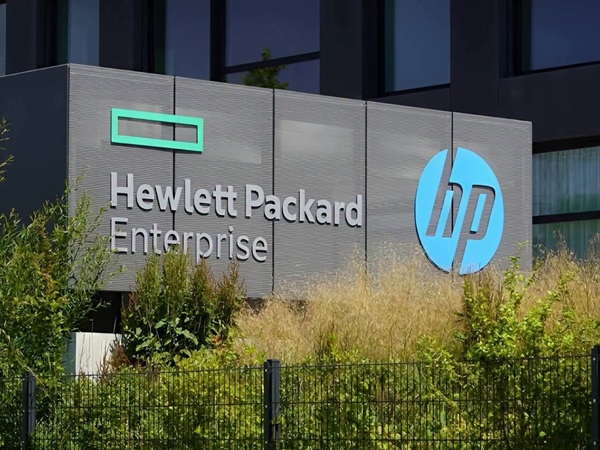
Hewlett Packard Enterprise (HPE) has completed the relocation of its global headquarters from San Jose to a campus in the Houston suburb of Spring, Texas. The move marks a definitive end to an era for the iconic firm that established the blueprint for American tech innovation and anchored Northern California’s rise as the world’s premier technology hub.
The departure underscores a relentless trend of corporate migration out of the Golden State. Over the past several years, hundreds of major enterprises and startups have cited California’s top personal income tax rate of 13.3%, high corporate taxation, heavy regulatory frameworks, and soaring cost of living as primary drivers for moving operations elsewhere. Texas, which offers zero state income tax and a lower cost of doing business, has proven to be a primary beneficiary.
Reactions to the move highlighted the stark political contrast between the two states:
-
Texas Governor Greg Abbott welcomed HPE’s leadership with open arms, pointing to the transfer as further proof that the Lone Star State offers the nation’s best environment for commercial growth and corporate innovation.
-
Governor Gavin Newsom’s office struck a far more indifferent tone, downplaying the departure with a succinct three-word response: “Companies come and go.”
Critical observers see the exit of Silicon Valley’s founding firm as a potent symbolic watershed. When the pioneer that sparked the region’s tech revolution no longer views California as its operational home, it raises urgent questions for business leaders, economists, and policymakers across the state.
Whether HPE’s relocation represents an isolated corporate realignment or a warning sign for California’s economic dominance remains a central debate among industry leaders. What is clear, however, is that the historical anchor of Silicon Valley now operates out of Texas.