
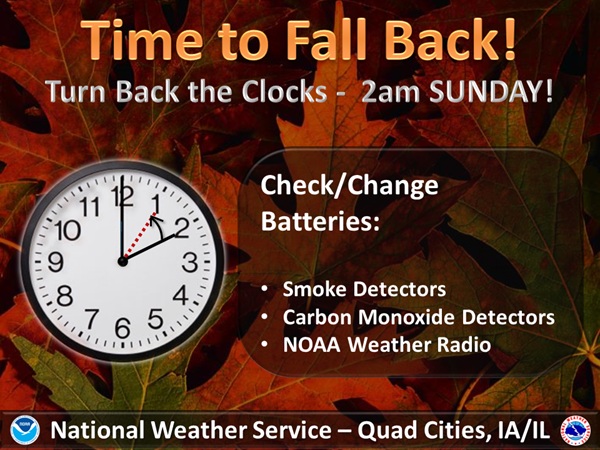
It is almost time to turn back the clocks. Daylight Saving Time officially comes to an end this weekend, bringing an extra hour of sleep, earlier sunrises, and much darker evenings.
At 2:00 a.m. local time on Sunday, November 1, clocks across most of the United States will “fall back” one hour to 1:00 a.m. Standard time will officially resume, giving everyone a 25-hour weekend day.
While smartphones, computers, and other connected devices will automatically update, residents will still need to manually adjust non-联网 devices, such as microwave clocks, traditional wall clocks, and older vehicle dashboards. Experts recommend changing manual clocks before heading to bed on Saturday night, October 31, to avoid waking up confused on Sunday morning.
Brighter Mornings, Darker Commutes
The shift means morning commuters and early risers will enjoy a burst of extra sunlight during the early hours. However, the trade-off is an abrupt shift in the evening schedule, with sunset arriving roughly an hour earlier. For many regions, evening rush hour will now take place under a fully darkened sky.
Not everyone in the country participates in the ritual. Hawaii, most of Arizona, and U.S. territories including Puerto Rico and Guam remain on standard time year-round, leaving their clocks untouched.
The Endless Debate Over the Clock Change
The semiannual ritual continues to fuel debate nationwide. Though federal lawmakers regularly debate permanently locking the clocks—such as through the previously introduced Sunshine Protection Act—no permanent changes have been finalized into law. For now, the twice-a-year routine remains federal policy, meaning Americans will spring forward again on Sunday, March 14, 2027.