
Indian Valley Academy is turning a garden project into a hands-on learning opportunity for students. A $40,261 grant from the North Valley Community Foundation’s Wildfire Relief and Recovery Fund Dixie Fire Grant Program supports the rehabilitation of the school’s greenhouse and garden.
Plumas Charter School’s Executive Director Taletha Washburn credits the Dixie Fire Collaborative for funding the project. The Lost Sierra Food Project in Quincy helps coordinate the grant and jump-start the work. Their partnership moved the garden from a long-term idea to an active project for students.
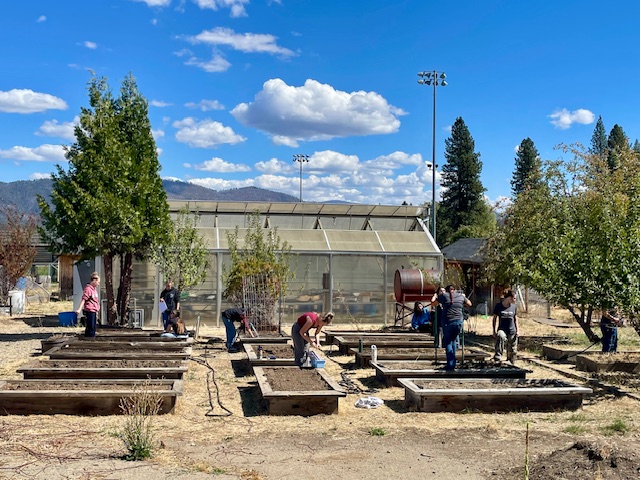
Teacher Madi Goss led the summer effort with student interns, clearing the garden and prepping the greenhouse. Now, her high school agriculture students manage the space, gaining experience in food production. They prepared garden beds for fall planting by watering soil, testing pH levels, and pulling weeds. Testing helps decide how much topsoil the beds need.
Students face challenges restoring the aging garden. Many planter beds need repairs or replacement. Ninth grader Piper Patterson removed screws from a damaged bed during preparation. The class plans a fundraiser to cover repair costs. Community members can support the effort by contacting Goss at [email protected].
This fall’s planting gives students a chance to learn what crops and methods work best. The garden will feed the school’s culinary program, which runs the Early Bird Cafe and caters events. This connection helps students see how agriculture links to food service and production.
Part of the garden will serve as a community space, inviting local residents to join and shape its use. Those interested can reach out to Goss.
Looking ahead, summer 2027 will include student interns maintaining the garden. The school hopes to run a roadside stand selling produce, giving students experience in agriculture, entrepreneurship, and customer service.
The two-year grant allows time to build the garden carefully, learn from each season, and create a sustainable program. What began as soil tests and clearing weeds could grow into a living classroom, fresh food source, and community hub led by the students themselves.