
In a landmark move for tribal sovereignty and ecological restoration, California announced the return of 17,030 acres of ancestral land to the Tule River Indian Tribe — the largest land return in the Sierra Nevada foothills and Central Valley region.
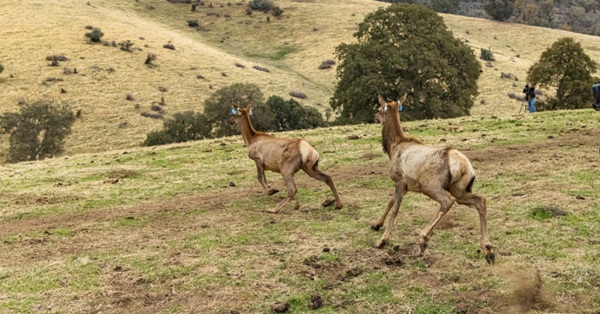
The land, located in the Yowlumne Hills, will not only restore sacred homelands to the Tribe but also serve as the site of a tule elk reintroduction, bringing the species back to the region for the first time in decades.
“This land return demonstrates the very essence of tribal land restoration,” said Tule River Tribal Council Chairman Leister “Shine” R. Nieto Jr. “It expands access to essential food and medicinal resources, supports cultural preservation, and deepens environmental stewardship.”
The land transfer was made possible through a partnership between the Tribe, the California Natural Resources Agency, the Wildlife Conservation Board, the California Department of Fish and Wildlife (CDFW), and The Conservation Fund. Funding came from state conservation programs and philanthropic partners.
The project also builds on the Tribe’s previous wildlife efforts, including the reintroduction of beavers and ongoing work to protect condors and wolves. Restoration will improve groundwater recharge, protect watersheds, and enhance biodiversity across the Sierra foothills.
“The return of tule elk to these foothills shows what’s possible when cultural resilience and conservation come together,” said California Natural Resources Agency Secretary Wade Crowfoot.
The move aligns with California’s broader 30×30 goal — conserving 30% of the state’s lands and coastal waters by 2030 — while honoring the Tribe’s enduring connection to their ancestral home.