
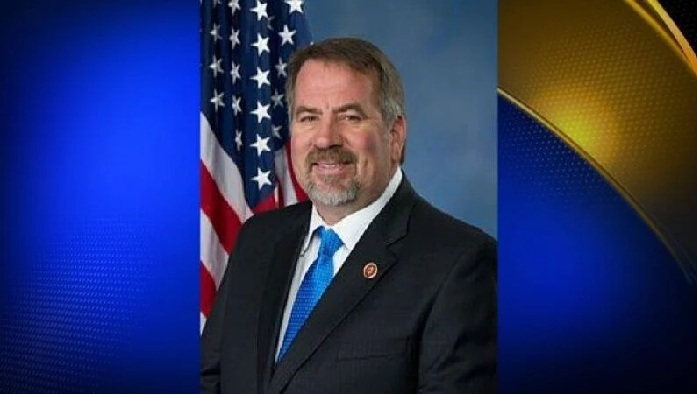
On July 4th, President Trump signed a major budget reconciliation package into law that brings real, tangible benefits to Northern California and rural America. This legislation includes key priorities, like tax relief for families and small businesses, refocusing Medicaid and SNAP on those who actually need it, actual funding for water storage projects, increased timber sales and forest fire related actions, a big boost to American energy production, and a massive step forward on border security.
Here’s a quick breakdown of what it all means:
Tax Relief: Big Wins for Working Families, Seniors, and Rural America
This new law delivers some of the strongest tax relief we’ve seen in years. It makes the 2017 tax cuts, which I supported, permanent, protects family farms from the death tax, and locks in deductions that help small businesses keep their doors open.
For workers and families, it means no tax on tips and overtime pay, bigger child tax credits, and new incentives to save for the future. Seniors get a larger tax break and folks buying American-made cars won’t pay tax on loan interest, making it easier to afford reliable transportation in rural areas where it’s needed most.
All told, these changes are expected to raise wages by over $7,000 a year and create more than 7 million full-time jobs. That’s real relief that will keep our local economies growing and help more families get ahead.
Medicaid: Strengthening the System and Supporting Rural Healthcare
This law makes important updates to Medicaid, known as Medi-Cal here in California, to focus it on those who truly rely on it: children, seniors, people with disabilities, and low-income families.
What’s changing is aimed at able-bodied adults without young children who are choosing not to work. They’ll now be expected to work, volunteer, or enroll in education or training at least 80 hours a month, roughly 20 hours a week, to keep getting benefits. It’s a commonsense approach rooted in bipartisan ideas that promotes stability and better health outcomes. If they meet these straightforward requirements, their coverage continues. Meanwhile, the law tightens eligibility checks and ramps up verification of citizenship and immigration status to curb the staggering level of waste, fraud, and abuse that’s plagued the program. Improper Medicaid payments have totaled over half a trillion dollars nationwide over the past decade, with $56 billion in just the last year alone.
For states like California that have stretched Medicaid far beyond its original scope, certain federal matching rates will gradually scale back, pushing states to pick up a fairer share of the tab. The law also seeks to close loopholes that let states pull down extra federal money without actually improving care or increasing Medi-Cal’s efficiency.
As for concerns about rural hospitals, this law sets aside $10 billion a year for five years, totaling $50 billion, to shore up small, rural hospitals and rural health clinics. That funding is designed to help ensure our rural areas can keep their hospitals and clinics open. How those dollars get distributed in California will come down to decisions made by the Governor and state officials. It’s critical that Sacramento gets this right so that our small towns and rural residents aren’t left behind.
SNAP: Reinforcing Work and State Accountability
The new law also makes sensible changes to SNAP, the Federal food assistance program for low-income families, to help control costs and keep the program focused on those truly in need, making sure more able-bodied adults are transitioning into the workforce.
States will now face tighter limits on waiving work requirements for individuals to receive SNAP benefits, reducing waiver abuse we’ve seen in the past. Only areas with genuinely high unemployment will qualify for a waiver. Also, future benefit increases will be tied directly to inflation to keep costs predictable, while still protecting families from rising prices.
For the first time, states will also chip in a small share toward the cost of actual SNAP benefits, not just administrative expenses, which have been 100% financed by the Federal government. This gives states more skin in the game and an added incentive to cut down on waste and payment errors.
Finally, eligibility for non-citizens is more clearly defined to ensure benefits only go to those lawfully in the United States.
Prioritizing Water, Forestry, and Energy Security
This new law also makes positive strides regarding natural resources and infrastructure that matter a lot to Northern California. It puts $1 billion toward building new and expanding existing reservoirs, as well as water delivery systems, across the West. This is crucial for keeping water flowing to our farms and towns.
It also ramps up active forest management by requiring the Forest Service and Bureau of Land Management to boost timber sales every year through 2034. That means more work getting hazardous trees out of our forests, more local employment, and more revenue back to our local counties and schools in need, all while reducing wildfire risk.
On energy, the law sets aside funds to refill the Strategic Petroleum Reserve that the Biden administration drew down to dangerously low levels. It reforms a loan program to help upgrade existing power plants or to build new, reliable power generation. It also claws back billions in unspent money sitting idle in agency accounts and leftover green slush funds from the last administration.
Completing the Border Wall and Strengthening Security
This budget package provides over $46 billion to finish the border wall and other barrier systems, including more than 700 miles of new primary wall, nearly 900 miles of river barriers, and hundreds of miles of secondary and replacement fencing.
It also provides over $6 billion for cutting-edge technology to help Customs and Border Protection (CBP) intercept fentanyl and other threats and improve surveillance at our borders. To back that up, thousands of new border personnel are funded, including 3,000 Border Patrol agents, 5,000 CBP officers, and hundreds more in Air and Marine Operations and support roles.
Together, these upgrades take a major step toward securing our borders in the long term, even under possible future loose-border administrations.
This budget law delivers on many fronts, from tax relief and healthcare reform to energy and border security, to reining in Federal spending. These wins aren’t just numbers on paper, they’re real improvements that will help families, farmers, and workers right here at home.
These are what my team and I work to do in this role, to protect our way of life and make sure these resources get put to work for our region.