
It took nearly four full years but all victims of the 2021 Dixie Fire are now exempt from paying any taxes — federal or state — on payments received as compensation for their losses in the fire. The most recent relief came June 27, when Governor Newsom signed AB 132 as part of a larger budget deal.
“This was an all-out community effort that finally saw success,” said Plumas County Supervisor Kevin Goss.
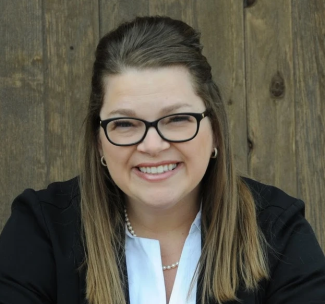
He credited Assemblywoman Heather Hadwick with leading the state effort, which resulted in the recently passed state budget. It includes a long-overdue tax exemption for wildfire victim settlement payments for all fires from 2021 through 2030. Hadwick worked with Sen. Megan Dahle and Assemblymember Tom Lackey on the exemption, which she called “a major win for wildfire victims across California.”
This tax exemption, included in Assembly Bill 132, a budget bill, ensures wildfire victims who receive compensation for lost homes, businesses and loved ones will not face unexpected tax bills.
“This victory comes after months of bipartisan advocacy and tireless work to ensure all fire survivors are treated with fairness and dignity in the recovery process,” Hadwick said in a press release. “Fires don’t care about your ZIP code or who you voted for, so when it comes to wildfire recovery, we have an obligation to provide equitable relief — to make all our communities whole again after enduring tragedy.”
The achievement ensures all victims of recent and devastating fires — including the Bobcat, Dixie, McKinney and Mill fires — are not penalized for the compensation they’ve received to rebuild their homes and lives.
Goss lobbied in Washington DC on behalf of federal tax relief, which was finally approved Dec. 12, 2024, when then-President Biden signed H.R. 5863, the Federal Disaster Tax Relief Act, into law. The federal legislation, which included Congressman Doug LaMalfa’s bill, H.R. 4970, streamlined the process for deducting losses from various natural disasters and included provisions to exempt taxation on legal fees, emotional distress, lost wages, and other expenses linked to wildfire losses.
Relief from state taxes remained elusive. Assembly Bill 1973 (Lackey) and Senate Bill 542 (Dahle) were approved in September, 2024. Like the federal legislation, they aimed to provide protections from surprise tax liabilities. But Newsom exercised his veto power. In his veto message, he expressed support for the policy, but indicated that it needed to be addressed through the budget process.
With the passage of this year’s budget, that promise has been fulfilled, said Hadwick’s office. In response, Plumas County small business owner and fire survivor Doug Stoy thanked Hadwick, Lackey and Dahle for their hard work and determination in making sure tax relief for recent fire victims in California was included in this year’s state budget.
“As a lifelong resident of Greenville and a small business owner with 20 employees, I’ve seen firsthand how devastating these fires have been to our community. Without their continuous efforts and commitment to communities like ours, I have no doubt this critical support would not have happened,” Stoy said.
Lackey called it “a cruel irony” that those who had already endured so much “were expected to shoulder the burden of taxation while trying to rebuild their lives.” “I’m proud we were able to right this wrong,” he added.
The policy follows years of advocacy from lawmakers representing the state’s hardest-hit regions, including those in Southern California, Northern California and rural fire-prone areas, where residents have long fought for equitable treatment.
Dahle said the state tax relief has been a long time coming. “I hope it helps families in wildfire-ravaged communities — from Happy camp to Greenville to Foresthill — find a strong new path forward,” she said.
The exemption applies to all qualified taxpayers who suffered losses and received settlement payments as a result of California wildfires during the covered period. Lawmakers emphasized that this measure is a matter of equity, ensuring victims in both urban and rural areas receive the same opportunity to rebuild without unfair financial barriers.
The tax exemption took effect immediately and will remain in place through 2030 due to the Legislature’s policy on the duration of tax exemptions.
Information provided by office of Assemblywoman Heather Hadwick