
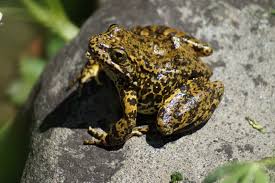
The Center for Biological Diversity has released documentation indicating significant damage to critical habitats for several endangered amphibians, including the Sierra Nevada yellow-legged frog, mountain yellow-legged frog, Yosemite toad, and foothill yellow-legged frog, due to livestock grazing in various national forests. The center reported that around 96% of surveyed meadows and 90% of streams showed signs of livestock damage.
Tara Zuardo, a senior campaigner at the center, emphasized the detrimental effects of livestock grazing on soil and streams, making it challenging for these vulnerable species to survive. The U.S. Forest Service is responsible for protecting these amphibians from grazing impacts but has been accused of failing in this duty.
Surveys conducted by professional biologists assessed over 813 acres and documented significant damage, including impacts to standing water, riparian vegetation, and stream banks across more than 37 miles of designated critical habitat. Despite regulations requiring exclusion of livestock from sensitive areas, evidence showed cows in breeding habitats for Yosemite toads and widespread damage from grazing activities.
Zuardo highlighted the urgency of protecting the Yosemite toad and the need to prevent livestock from damaging the meadows and streams in the Sierra Nevada, which would benefit both the environment and the amphibian populations. More information about the center’s work can be found on their website.