
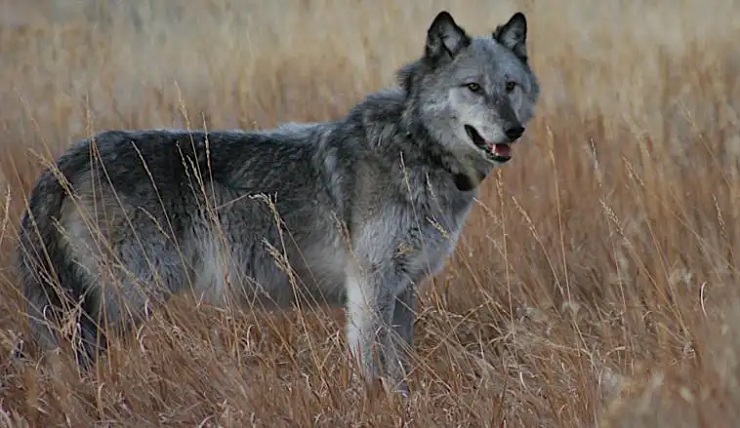
The recent cattle kill at Goodwin Ranch on June 24 has intensified scrutiny over California’s wolf deterrence efforts. This incident marks the eighth confirmed wolf depredation on the ranch since May, occurring despite the presence of a strike team from the California Department of Fish and Wildlife (CDFW) that was deployed to mitigate conflicts between wolves and livestock in the region.
Ranchers are expressing concerns that the state’s strategy, which emphasizes nonlethal hazing techniques, may inadvertently be attracting wolves to cattle rather than repelling them. The CDFW’s summer strike team, which includes staff from various agencies and operates with landowner consent, has been mobilized to address an increase in wolf activity and livestock losses across Northern California. The team employs tracking tools and deterrents tailored to individual ranches, with the goal of protecting both livestock and wolves.
However, following the recent kill at Goodwin Ranch, some ranchers feel that the strike team’s efforts are inadequate. They argue that rather than deterring wolves, the hazing methods may be pushing wolves from open areas and clustering them near livestock. Additionally, the thorough scavenging of carcasses has made it difficult to confirm wolf kills for compensation, despite evidence from camera footage. This situation has led to heightened frustration among ranchers regarding the effectiveness of the current wolf management strategy.